
It is incredibly easy for a conversation to go off the rails, even when we think we are being perfectly clear. The moment Moshe is barred from entering the Promised Land teaches an important lesson about how easily communication can fail if we aren’t careful.
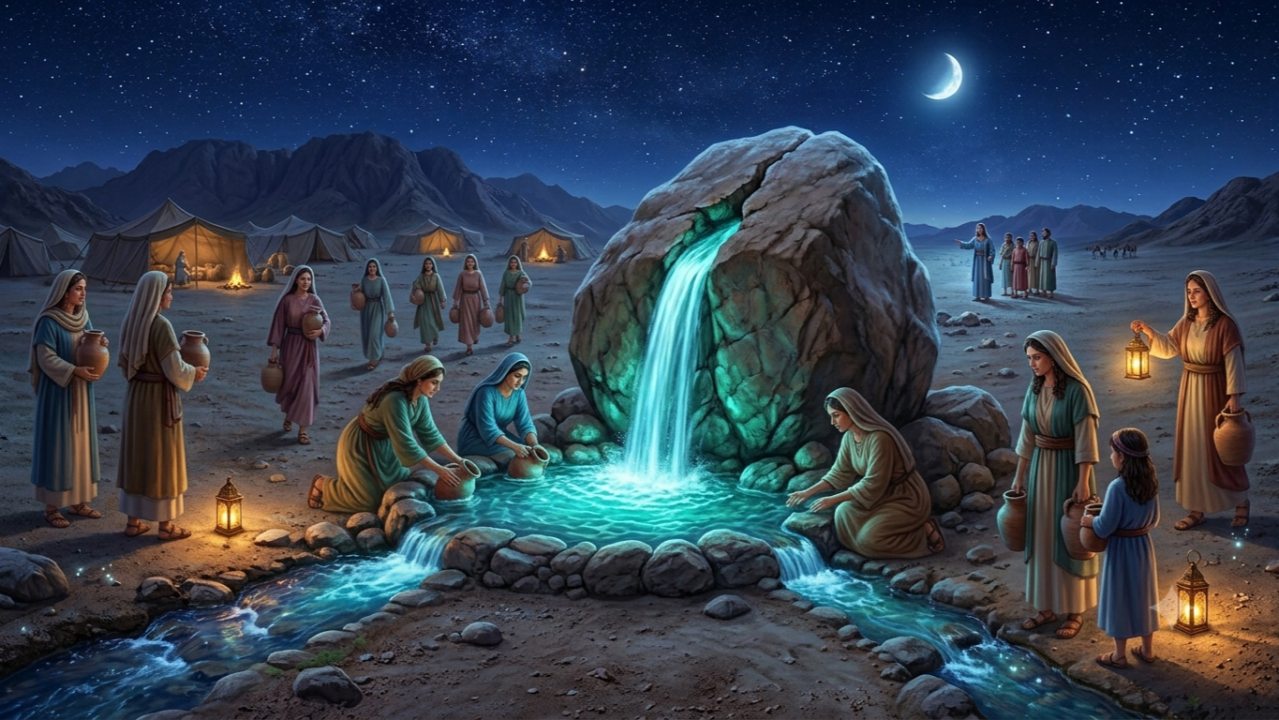
The Jewish people are stranded in the desert without water. Panicked and desperate, they look to Moshe for a miracle. In response to their demands, Moshe retorts to the crowd, asking, “Will we bring water out of this rock?”
What Moshe actually meant to say was that water would not magically appear from a rock that G-d had not explicitly commanded them to use. He was trying to emphasize that they couldn’t just pick any random stone and expect a miracle without Divine instruction.
However, his words could easily be twisted to mean something else entirely. Skeptics in the crowd could argue he was claiming that G-d didn’t actually have the power to bring water from just any rock, or that the miracle was just a natural trick of finding a hidden water source. Because his phrasing left room for such a damaging misunderstanding, he faced severe consequences.
This story reveals a stark reality about human nature: there will always be people who, whether out of cynicism, distraction, or their own biases, are ready to misunderstand us.
The lesson for us is that whenever we have an important conversation – whether with a spouse, a coworker, or a community – the truth of our message is defined not by what leaves our mouth, but by what enters the listener’s ear. We cannot just rely on what we “meant” to say. We have a deep responsibility to pause, think ahead, and choose our words so carefully that they leave no room for a harmful misinterpretation.