
Did you know that three major calendar systems track time in three completely different ways?
The Gregorian calendar is solar, based on the earth’s orbit around the sun. The Islamic calendar is purely lunar, following the cycles of the moon. The Jewish calendar is a hybrid—lunar months, but periodically adjusted to stay aligned with the solar year.
That adjustment matters because one holiday must always occur in the spring: Pesach.
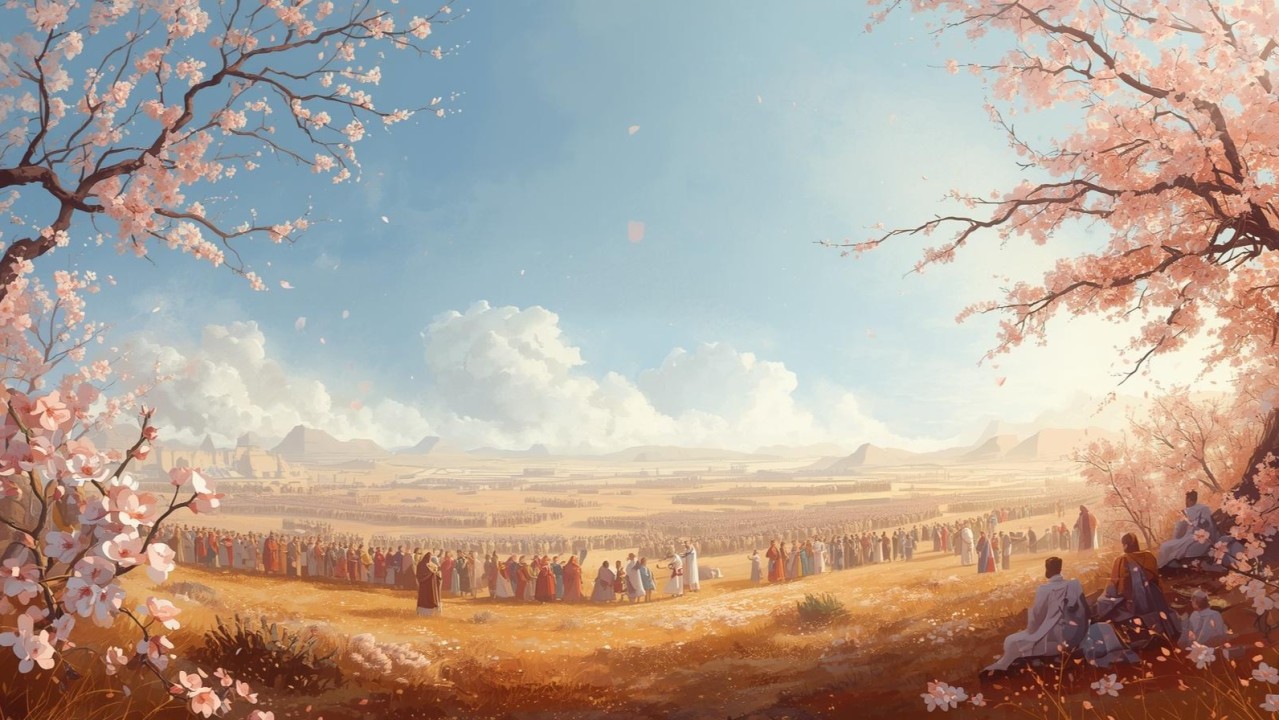
In fact, the Jewish calendar periodically adds an extra month to ensure that Pesach always falls in Chodesh Ha’aviv, the “month of spring.” As the Torah says (Shemos 13:4): “Today you are leaving Egypt, in the spring month.”
Why is that so important?
Commentators explain that the timing itself carried a message. The Jewish people were not taken out of Egypt during the cold of winter or the oppressive heat of summer. The redemption took place in the spring, when the weather is pleasant and comfortable.
At first glance, this seems puzzling. The Jewish people were escaping slavery. Would anyone leaving prison care about the weather?
But the message is deeper than the weather itself.
When someone realizes that every detail has been thoughtfully arranged for them—even the small ones—their appreciation grows. It’s not just the outcome that matters; it’s the recognition that nothing was overlooked.
This idea is central to the Pesach Seder. We don’t simply say “thank you” for redemption. Instead, we walk through the story step by step, analyzing the details of both the suffering and the salvation. Each element reveals another hardship we were saved from and another reason for gratitude.
There’s a broader lesson here that applies far beyond the Seder table.
Real appreciation lives in the details. Instead of saying, “Thank you for a great meal,” we acknowledge the thought, effort, and care behind each part of it.
Pesach reminds us that gratitude becomes deeper when we notice the details. When we slow down enough to recognize the many small acts of kindness around us, we don’t just say thank you—we truly feel it.